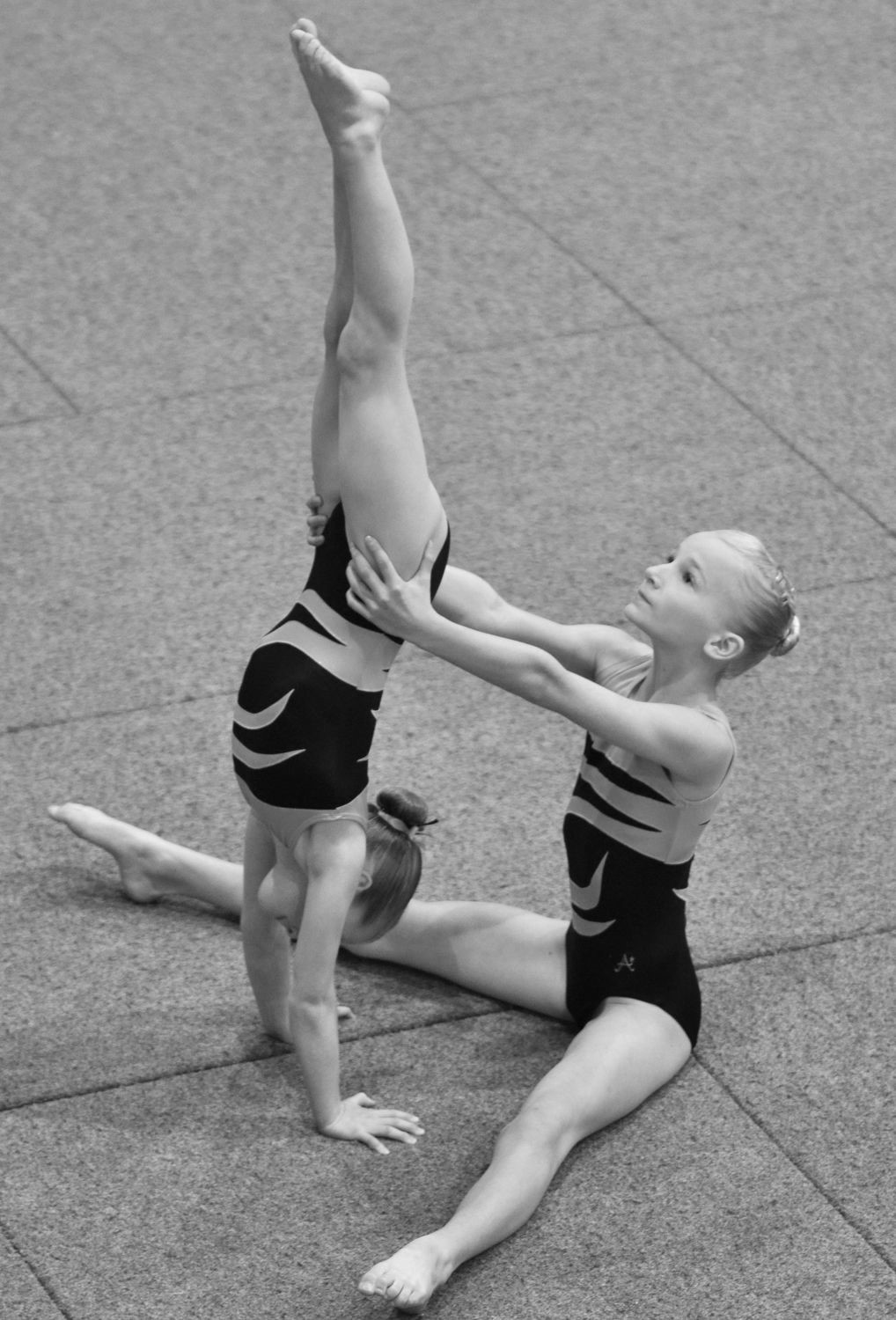
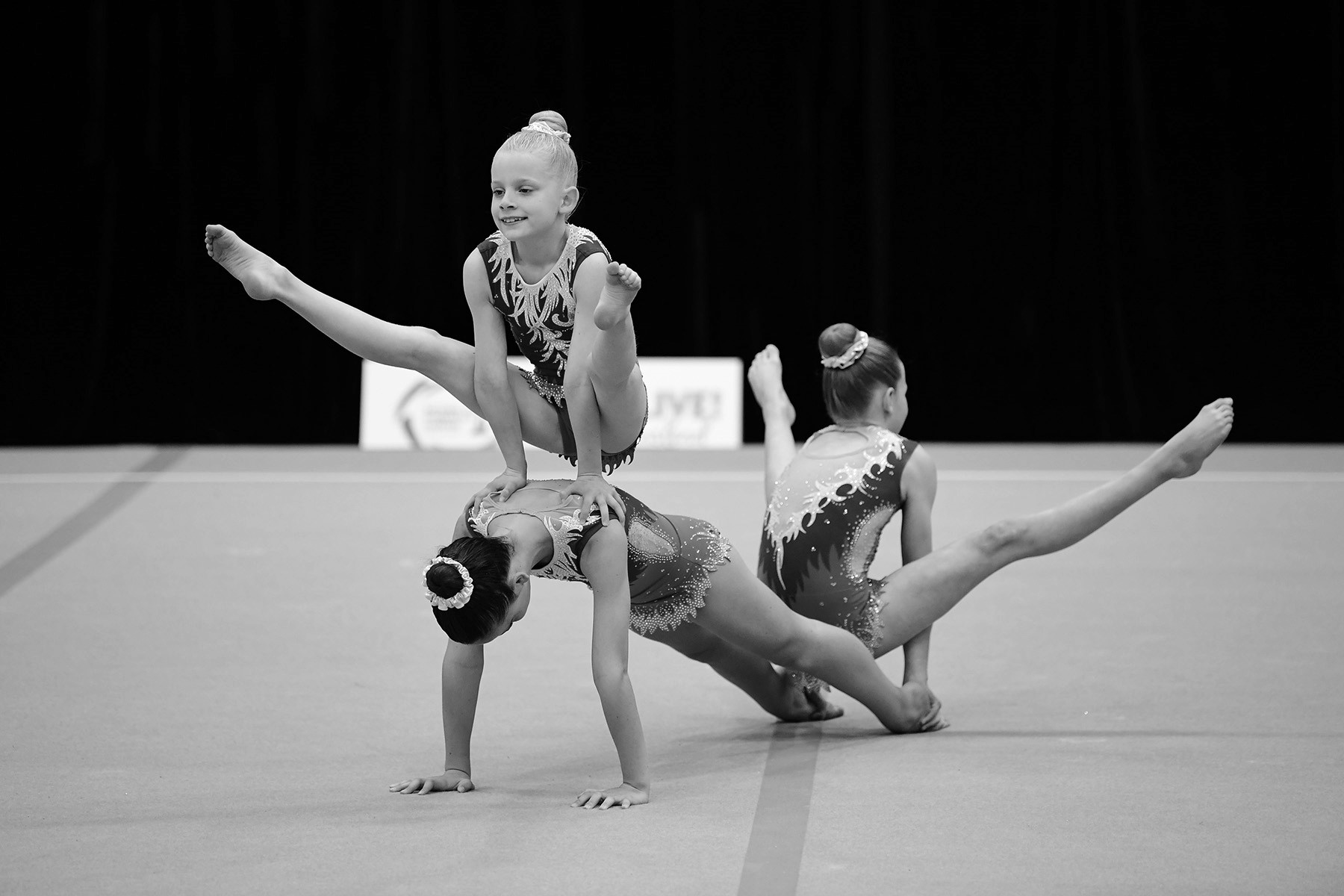
DynamAcro Gymnastics Academy
Info in the process of being updated
Info in the process of being updated
DYNAMACRO GYMNASTICS ACADEMY
ACRO SQUAD I & BEGINNERS CLASS — CODE OF CONDUCT & OPERATIONAL POLICY
Applicable Classes: Acro Squad I · Beginners Class Policy Year: 2026–2027 | Last Updated: March 2026 | Review Date: September 2026
This policy governs the conduct, training obligations, competition participation, and operational procedures for all Acro Squad I and Beginners Class members of DynamAcro Gymnastics Academy (“DGA”, “the Club”). It applies to all gymnasts and, where the gymnast is a minor, to their parent or legal guardian (referred to collectively as “the member”).
This policy is governed by the laws of Ireland and is consistent with the following legislation and frameworks:
This policy/class rules forms part of DGA’s wider policy/class rules framework, which includes the Club’s Codes of Conduct, Safeguarding Policy, and Athlete Development Policy.
All gymnasts are required to adhere to the following standards during every training session:
Safeguarding Note: The prohibition on photography and the sharing of images is a safeguarding measure to protect all members, particularly minors. Any breach of this rule will be treated as a serious matter and addressed through the Club’s Breach of Rules Process (Section 13).
It is the responsibility of parents and guardians to ensure gymnasts attend class appropriately dressed. Under the Health, Safety and Welfare at Work Act 2005, coaches have the right to exclude a gymnast from participating where their attire presents a risk to themselves or others.
3.1 Required Attire
Item | Requirement |
Footwear | Bare feet are standard. Soft, non-slip socks may be worn where needed. |
Outfit | A comfortable leotard, t-shirt (short or long sleeve), shorts, or leggings. |
Hair | Must be fully tied back and secured off the face. Long hair must be in a ponytail or plait. Soft hair ties and flat clips only. |
Jewellery | Strictly prohibited. This includes watches, necklaces, rings, bracelets, earrings, and all piercings. All jewellery must be removed before class. No exceptions. |
Electronics | Mobile phones and earphones/EarPods are not permitted during class. Where a parent requires a teenage gymnast to keep their phone with them, it must be stored in the Club’s designated phone box for the duration of the session. |
3.2 Clothing Not Permitted
The following items are not permitted during training:
All Acro Squad I and Beginners Class gymnasts are expected to:
Consequences of Non-Compliance
In the interests of safety and respect for all gymnasts — particularly within partnerships — failure to meet the standards set out in this policy may result in:
Any such action will be taken in accordance with the Club’s Breach of Rules Process (Section 13) and, where a minor is involved, in a manner consistent with the Children First Act 2015.
5.1 General Obligations
5.2 Absence Notification
6.1 Partnership Assignment
6.2 Partnership Requirements
8.1 General Principles
8.2 Selection Criteria
To maintain and secure competition selection, gymnasts must attend all of the following:
Partnerships may also be subject to a random pre-judging trial event at the discretion of the Performance Panel and PTD. Scores from such events may be submitted for selection consideration. These decisions are made by the Performance Panel and PTD and are not subject to appeal.
8.3 Non-Fulfilment of Criteria
Where a gymnast does not fulfil the selection criteria above, the DGA Selection Panel reserves the right to withdraw the partnership from the trial process or to seek a replacement gymnast.
8.4 Competition Approval
As a member of the AS1 class, gymnasts are not permitted to enter any National Competition without the prior written approval of the PTD in conjunction with the Senior Coaching Panel.
Partnerships trialling for National Competitions must fulfil all scheduled training times and days out of respect to their partners. Failure to do so may result in the partnership being withdrawn from the competition, even where selection has already been confirmed.
9.1 PTD & Senior Coach Responsibilities
The PTD, in conjunction with the Senior Coaches, has sole responsibility for:
9.2 Communication of Training & Competition Information
Senior Coaches are responsible for obtaining and communicating all relevant training and competition schedule information to members, including training plans, performance schedules, and competition viewing times.
9.3 Competition Tactical Decisions
While at National Competition events, all tactical partnership and performance decisions are made solely by the Senior Coaches in collaboration with the PTD. Parents and guardians are not in a position to make competition tactical determinations and must not seek to intervene in such decisions at events.
10.1 Purpose
Pre-performance routines (PPRs) are structured sequences of thoughts and actions that help gymnasts prepare optimally for high-pressure competition situations. A well-designed PPR reduces anxiety, increases focus, and creates consistency — helping athletes remain calm and confident when it matters most.
10.2 PPR Obligations
DGA follows the consensus guidance of sports psychologists and athletic directors that each child’s gymnastics journey should be treated as an independent path.
All gymnasts who are members of the Acro Squad I class and who have been selected to represent DGA through the trialling process are required to have an appropriate competition leotard (girls) or competition outfit (boys).
The arrangement, purchase, or rental of competition attire is the sole responsibility of the gymnast and/or their parent or guardian. Coaches and Club staff are not responsible for organising or managing competition leotards for this squad.
Gymnasts who are members of a pair or group partnership and who have commenced the training process for National Competitions should, where reasonably possible, coordinate holiday dates with their partnership to minimise disruption to the joint training plan.
The Club’s general holiday season runs from 1 September to 31 July of each calendar year. Parents should be aware that some competitions may fall within this period and are asked to take this into account when booking holidays.
Failure to give reasonable consideration to partnership training obligations when planning holidays may result in:
DGA is committed to dealing with all concerns and complaints fairly, promptly, and in accordance with the Children First Act 2015 and Sport Ireland’s safeguarding guidelines.
Step | Action |
Step 1 | The parent or guardian contacts the Club’s PTD or Club Secretary by email, phone, or scheduled meeting. Complaints must not be directed in writing to other members — there is a formal process for establishing the facts. |
Step 2 | The parent(s) of the gymnast named in the complaint are contacted in relation to the concern. |
Step 3 | The PTD and Senior Coaching Panel investigate the matter. If resolved, no further action is taken. |
Step 4 | If unresolved, the case is referred to the Club Children’s Officer. |
Step 5 | The Club Children’s Officer, in conjunction with the PTD, reviews the complaint and determines the appropriate course of action. |
Where a complaint involves a child welfare or safeguarding concern, it will be referred to Tusla — Child and Family Agency and/or An Garda Síochána in accordance with the Club’s mandatory reporting obligations under the Children First Act 2015. The Club’s designated liaison for mandatory reporting is the Club Children’s Officer.
Step | Action |
Step 1 | The alleged rule breach is identified and documented. |
Step 2 | The PTD, Club Children’s Officer, and/or Senior Coaching Panel investigate the matter. |
Step 3 | The gymnast is informed — by the PTD or Senior Coach — of the specific rule breached and reminded that all rules must be adhered to at all times. |
Step 4 | On a second or subsequent breach, the gymnast’s parent(s) or guardian(s) are formally notified. |
Step 5 | The PTD investigates further. If resolved, no further action is taken. |
Step 6 | If unresolved, the Club Children’s Officer and PTD jointly determine the appropriate action, which may include suspension or withdrawal of membership. |
All breach of rules procedures involving a minor will be conducted in a manner that is fair, proportionate, and consistent with the Club’s safeguarding obligations under the Children First Act 2015 and Sport Ireland’s Code of Ethics and Good Practice for Children’s Sport. Parents and guardians will be kept informed at each stage.
All parents and guardians must observe the following at all times:
Please Note: In the interests of safety and respect for all gymnasts — particularly within partnerships — failure by a parent or guardian to adhere to these rules may result in:
Gymnastics is recognised internationally as an early specialisation sport, meaning gymnasts reach peak performance earlier in their athletic careers than in many other disciplines. To reach their potential safely and successfully, gymnasts must train consistently and with focus from a young age.
DGA fully supports children participating in a range of sports and activities, as this contributes positively to overall physical development and can benefit acrobatic skills. However, at Acro Squad I level, the physical demands of acrobatic gymnastics — and the time required to develop and perfect skills safely — mean that a degree of specialisation is necessary.
Achieving the gymnast’s full potential requires attention to all aspects of athlete wellbeing, including:
National-level success requires sustained effort from gymnasts, coaches, and parents working together. DGA’s coaches are committed to providing every gymnast with the best possible opportunity to reach their potential in a safe, supportive, and high-performance environment.
DGA collects and processes personal data relating to gymnasts and their parents or guardians — including registration details, attendance records, and where relevant, medical or injury information — in accordance with the General Data Protection Regulation (EU) 2016/679 and the Data Protection Act 2018.
This policy is approved by the Club’s Performance & Technical Director and is reviewed annually. It is consistent with DGA’s obligations under Irish law and does not limit or exclude any statutory rights held by members under the Consumer Rights Act 2022, the Children First Act 2015, or any other applicable Irish legislation.
Where any provision of this policy conflicts with Irish law, the relevant statutory provision shall take precedence.
Approved by: Performance & Technical Director, DynamAcro Gymnastics Academy Policy Updated: March 2026 Next Review: September 2026
DynamAcro Gymnastics Academy reserves the right to amend this policy. Members will be given reasonable written notice of any material changes. Amendments will not apply retrospectively.